
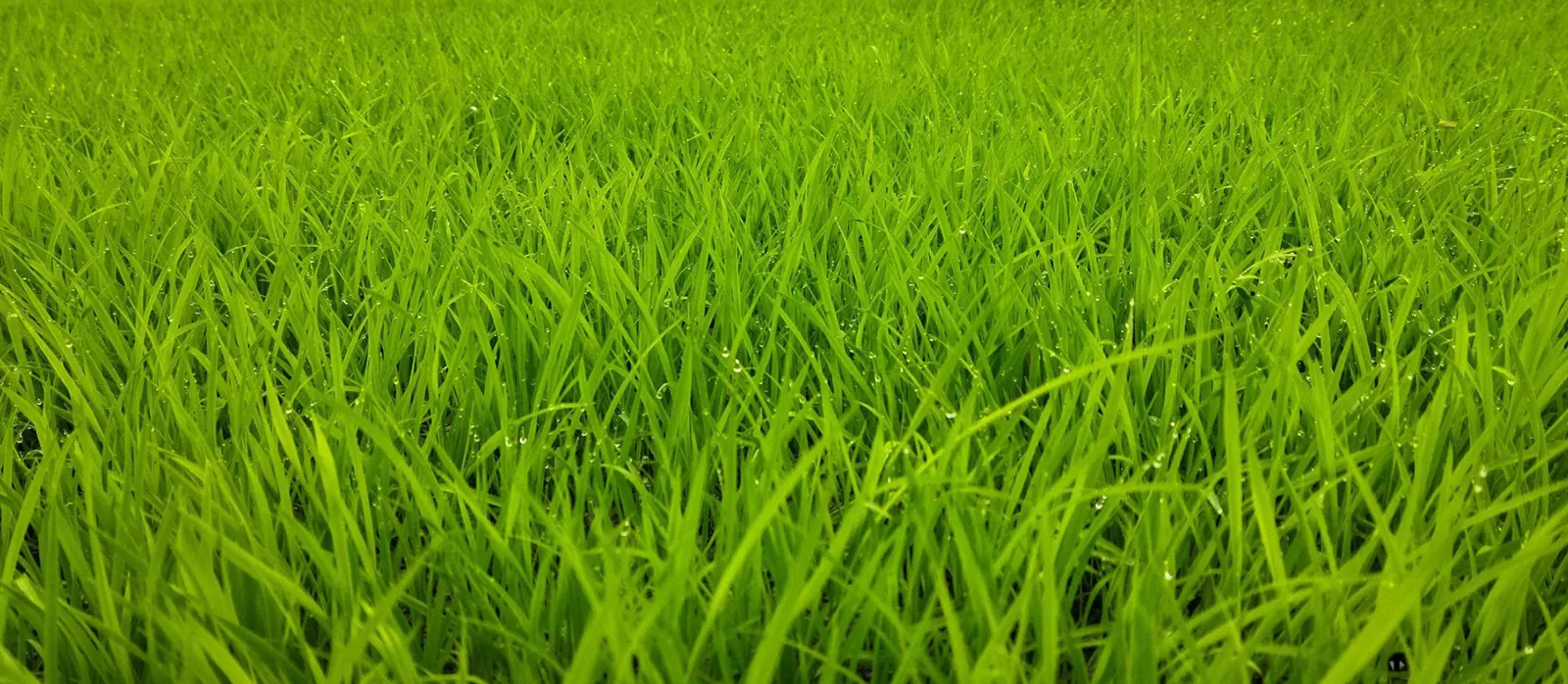
In wheat the single most important spray is weed control at the right time — after the first irrigation, when weeds are small. Later, aphids and rust can appear from January. Wheat herbicides are very sensitive to dose and overlap, so even walking speed and a flat-fan nozzle make a visible difference.
Spray calendar
-
1
Weed control
30–35 days (after first irrigation)Target: Phalaris (gulli danda), wild oat, broad-leaf weeds
Herbicide registered for wheat, on moist soil. Flat-fan nozzle, fixed height, no double spraying at the headland.
-
2
Aphid control
60–90 days (Jan–Feb)Target: Aphids on leaves and ears
Spray only if colonies cross the threshold; ladybird beetles often control them naturally.
-
3
Rust protection
60–100 daysTarget: Yellow, brown and black rust
Fungicide at the first rust pustules, as advised by KVK. Cover the flag leaf well — it feeds the grain.
⚠ Use only CIB&RC-registered products at the dose and water volume on the label, and follow your KVK / agriculture department for local pest thresholds. Wear gloves, mask and goggles; never eat, drink or smoke while spraying.
Pests & diseases to watch
Grass weed that looks like wheat; seeds shatter before harvest.
Yellow powdery stripes on leaves; spreads fast in cool, humid weather.
Clusters of small green insects on leaves and ears; sticky honeydew.
Sprayer tips for wheat
- Calibrate before herbicide spraying — wheat herbicides damage the crop when overdosed.
- Keep the nozzle at one height (about 45–50 cm above weeds) and walk at a steady pace.
- Do not spray herbicide in fog, dew-wet leaves or strong wind.
Recommended Masand sprayers
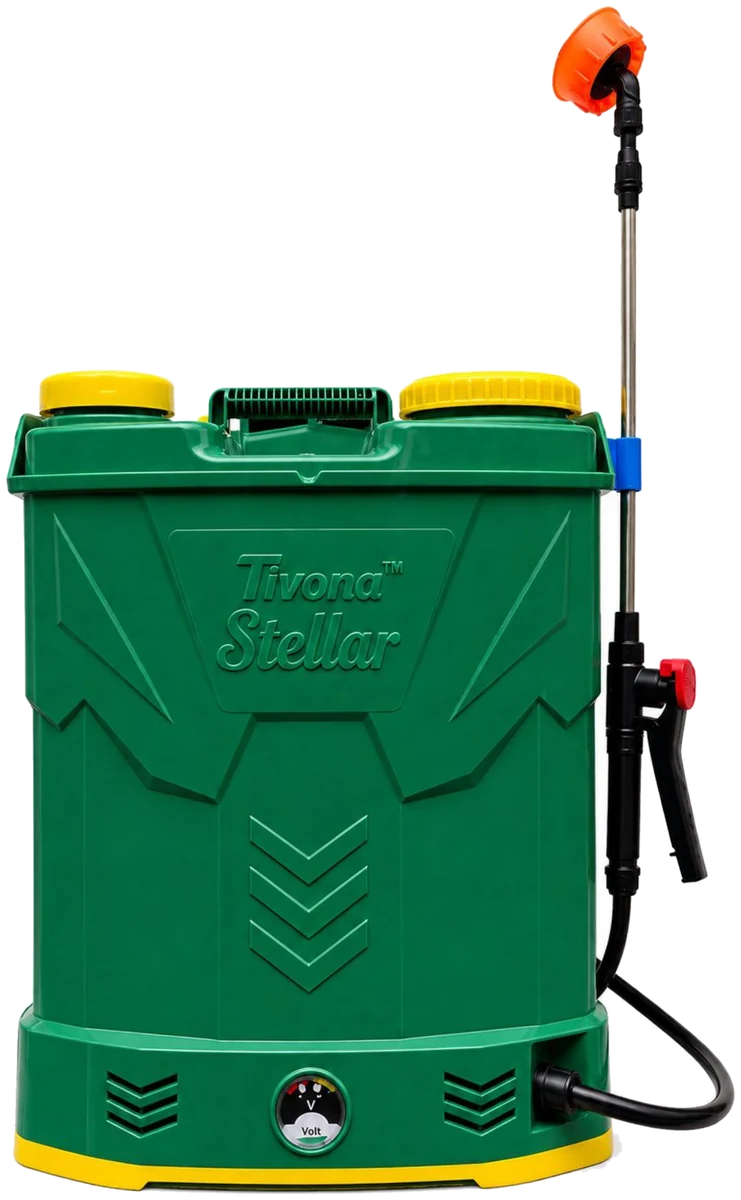 Tivona Stellar 12 Ah
- 12V · 12 Ah
- 4.0 L/min
- 110 psi
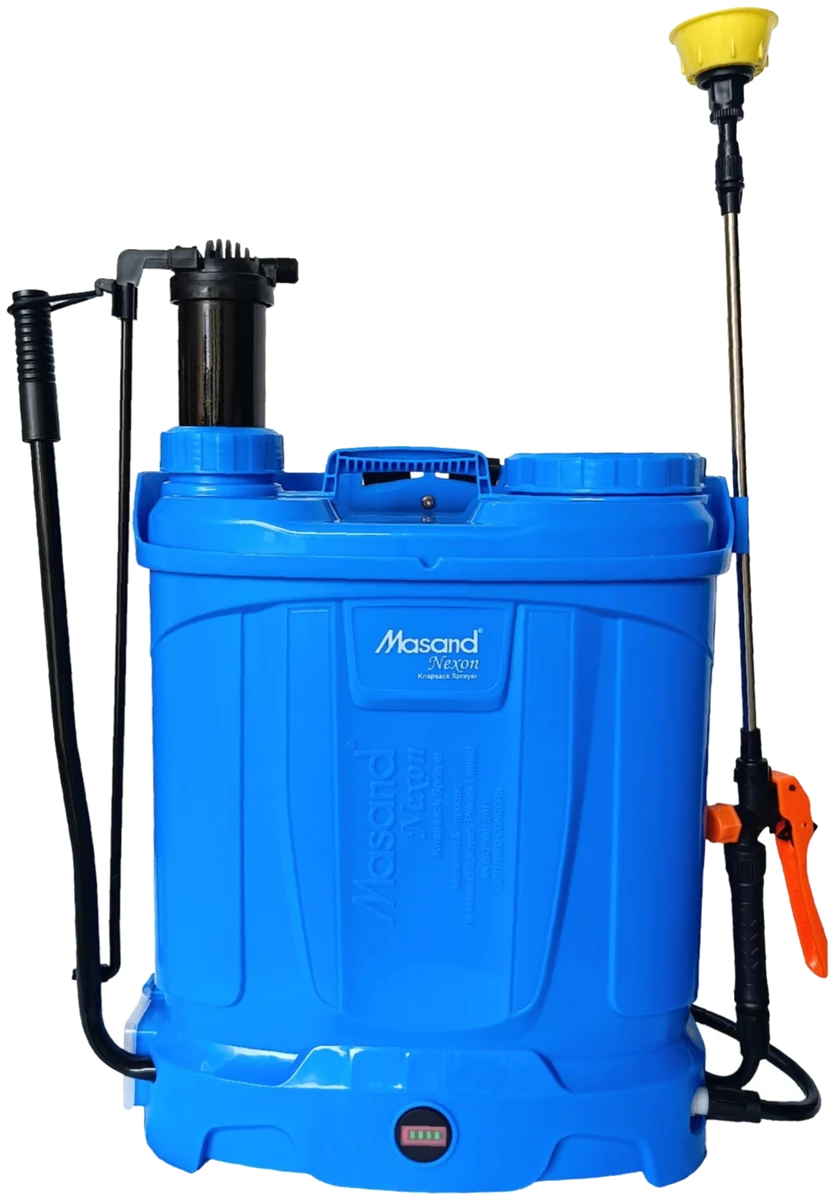 Masand Nexon 8 Ah
- 12V · 8 Ah
- 4.0 L/min
- 110 psi
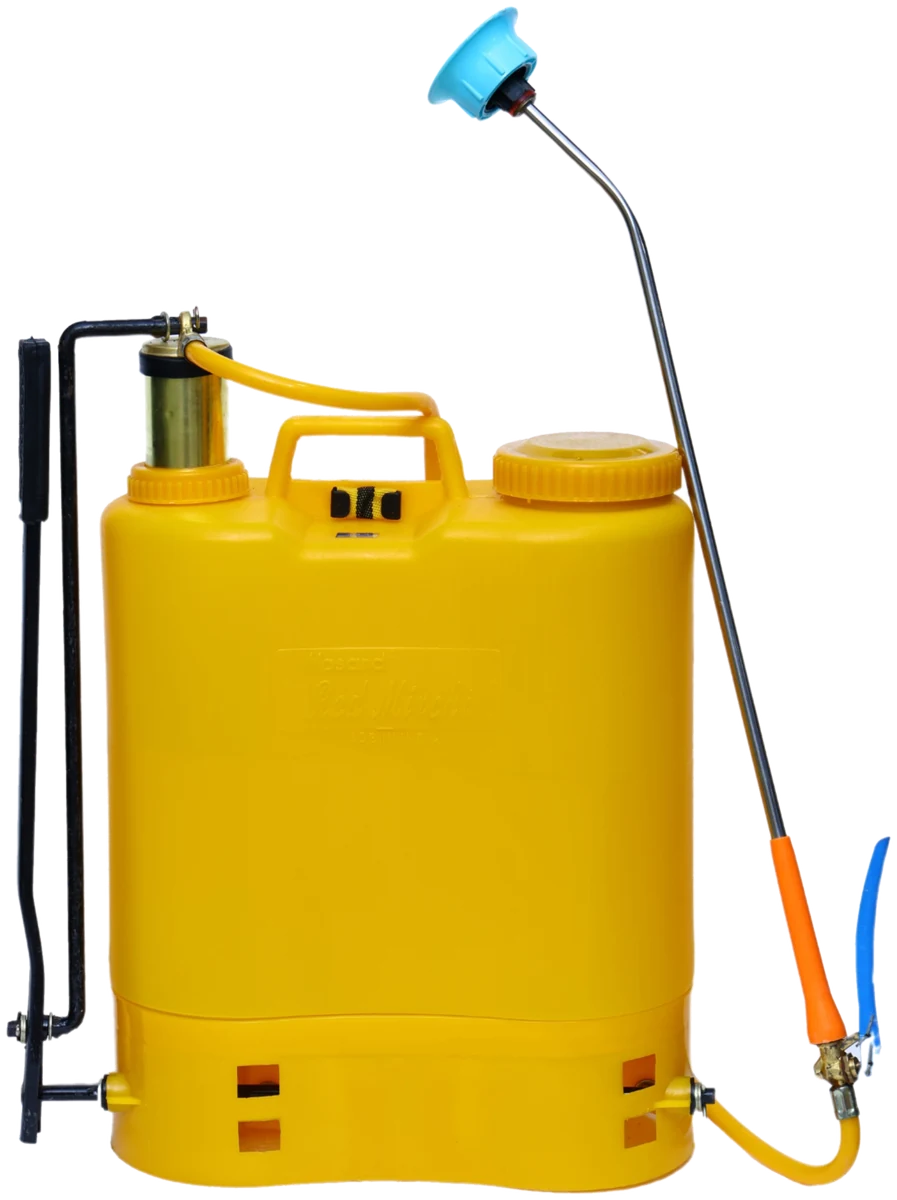 Masand Red Mirchi (Brass Barrel)
- 16 L
- Brass
Find the right one for my acres → Ask on WhatsApp
Frequently asked
When should herbicide be sprayed in wheat?
Usually 30–35 days after sowing, after the first irrigation when the soil is moist and weeds are at 2–4 leaves. Use a flat-fan nozzle and 120–150 L of water per acre unless the label says otherwise.
More crop guides